Confirm suitability first
Inspection findings, measurements, pipe condition, and access determine whether lining is practical. We explain suitable alternatives; a blockage alone does not establish a need for lining.
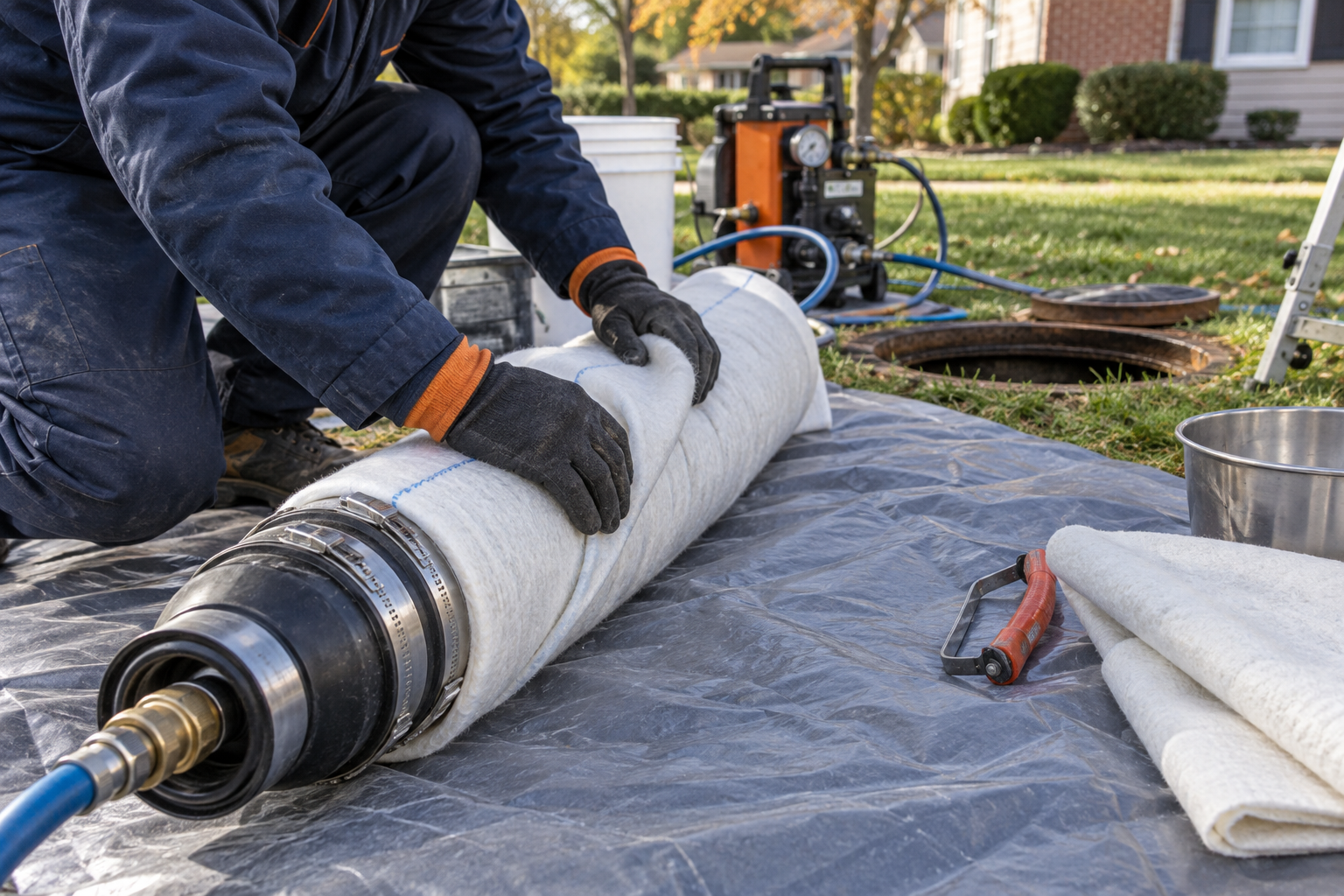
Repair without digging when the pipe allows
Some damaged pipes can be lined without a full dig. We inspect and measure first to see whether lining is an option.
Inspection findings, measurements, pipe condition, and access determine whether lining is practical. We explain suitable alternatives; a blockage alone does not establish a need for lining.
The quote identifies preparation, the section to line, access, the result check, and restoration responsibilities. Job-specific warranty terms appear in the written agreement.
What we check
We save this as part of your job record and include it in your results.
We save this as part of your job record and include it in your results.
We save this as part of your job record and include it in your results.
When this may not be enough
Not every damaged pipe can be lined. We have to inspect and measure it first.
If a price is available, it will show what is included before you choose. Some repairs need an on-site quote.
Availability depends on the access point, service area, and the work your line needs.